
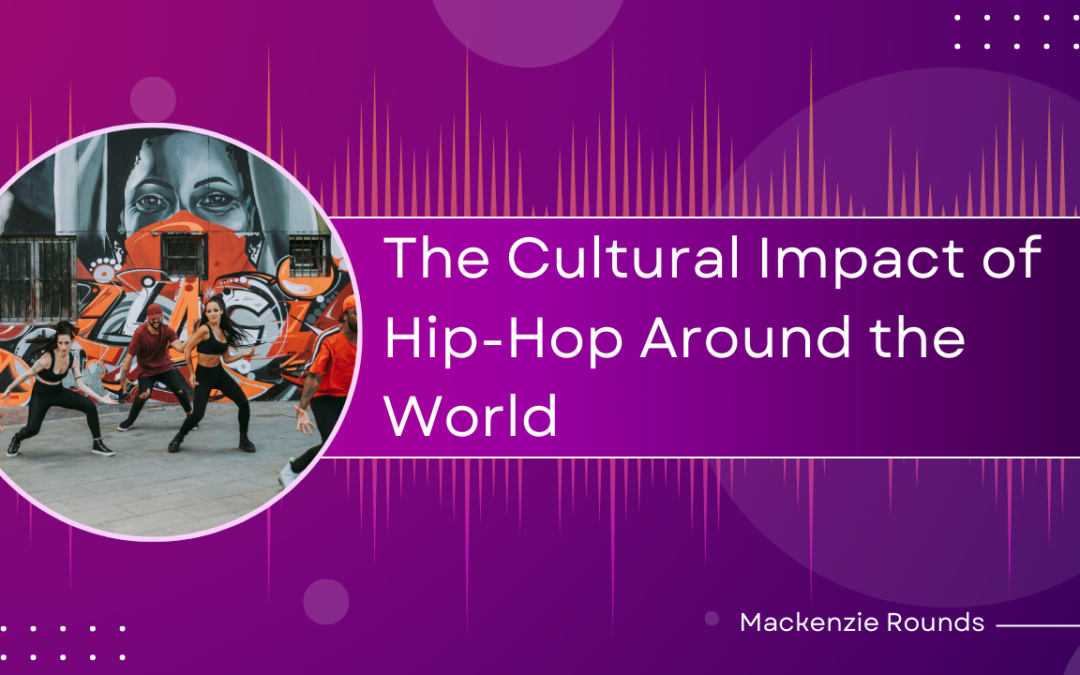
Hip-hop, a cultural movement that began in the 1970s in the South Bronx, has become a global phenomenon, transcending its roots in African American and Latino communities in New York City. Today, hip-hop is one of the most influential cultural forces in the world, shaping everything from fashion and language to social activism and politics. As the genre continues to evolve, its impact on global culture is profound, serving as a vehicle for storytelling, self-expression, and social change.
One of the most significant aspects of hip-hop’s cultural impact is its ability to give a voice to marginalized communities. At its core, hip-hop is about storytelling, often sharing experiences of struggle, inequality, and resilience. Whether through rapping, DJing, or breakdancing, hip-hop artists use their platforms to address social issues such as racial inequality, police brutality, poverty, and systemic discrimination. The genre has long been associated with activism, with influential artists like Public Enemy, Tupac Shakur, and Kendrick Lamar using their music to speak out against social injustices. These artists have sparked important conversations, raised awareness, and influenced generations of listeners to engage in activism and stand up for their rights.
As hip-hop gained popularity in the United States, it began to spread globally, finding its way into diverse cultures and languages. In countries like France, the UK, and Brazil, hip-hop became a powerful tool for expressing local struggles and political dissent. In France, for example, artists like IAM and NTM used hip-hop to address issues of immigration, discrimination, and urban poverty. Similarly, in the UK, the grime subgenre emerged as a response to the socioeconomic challenges facing young people in working-class neighborhoods. Grime artists such as Stormzy and Skepta used their music to voice frustrations with the government, social inequality, and cultural identity, while also celebrating their British roots.
Hip-hop’s global influence has also extended into fashion and lifestyle. The genre’s fashion choices, such as oversized clothing, baseball caps, sneakers, and gold chains, have become synonymous with street culture. Hip-hop artists like Run-D.M.C., Jay-Z, and Kanye West have become cultural icons not just for their music but for their fashion lines and partnerships with major brands. Hip-hop has played a major role in shaping popular fashion trends, making streetwear a global phenomenon. The genre’s ability to merge music with fashion has contributed to the rise of a lifestyle brand that resonates with youth cultures around the world.
Language and slang have also been deeply influenced by hip-hop. The vernacular of hip-hop has permeated everyday speech, with terms like “lit,” “bae,” and “fam” becoming widely used in popular culture. Hip-hop has created its own lexicon that reflects the experiences and attitudes of youth, particularly in urban areas. These terms, once specific to hip-hop culture, are now a part of mainstream language, with celebrities, politicians, and even brands incorporating hip-hop slang into their messaging. In this way, hip-hop has redefined language, making it a tool for self-expression and cultural identity.
In addition to its cultural impact, hip-hop has also played a crucial role in breaking down cultural and racial barriers. The genre has created opportunities for collaboration between artists from different backgrounds, fostering an environment of inclusivity and cross-cultural exchange. In Africa, for example, hip-hop has become a form of resistance against corruption and poverty. Artists in countries like Kenya, Nigeria, and South Africa use hip-hop to address issues such as government corruption, unemployment, and social injustice, while also celebrating African heritage and identity. The genre has given African youth a platform to voice their concerns and express their creativity, contributing to a global movement that transcends borders.
As hip-hop continues to evolve, its cultural impact shows no signs of slowing down. With the rise of social media and digital platforms, hip-hop’s reach has expanded even further, allowing artists to connect with audiences worldwide. The genre’s ability to adapt and merge with other musical styles ensures its continued relevance, while its ability to reflect societal issues guarantees that it will remain a powerful tool for social change. In every corner of the world, hip-hop remains a voice for the voiceless, a form of artistic expression, and a cultural force that continues to shape the world in profound ways.